Lives are at stake today and we can only hope that wildfire-affected communities are evacuated safely while a dynamic situation unfolds. It will also be helpful to consider some facts towards building an informed perspective, because there is going to be a lot of attention on why our forests are in the state they are in and what needs to be done in the future.
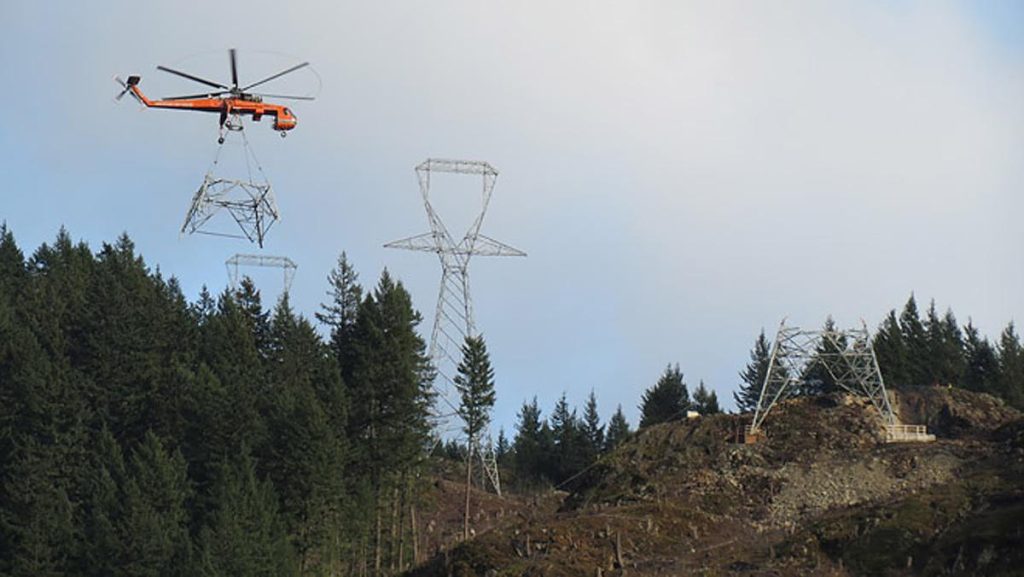
Here are five talking points:
- Increasing development in rural areas means there is more value to protect. The photo above of a transmission line is one example of a vulnerable asset located in a forest.
- There are limits to fire suppression capacity and budgets. In 2009-10, $600 million was spent and in each of 2014 and 2015 the cost amounted to $300 million.
- The legacy of the mountain pine beetle epidemic is a vast amount of fuel.
- Climate change predictions mean the intensity of severe fires is going to double by 2040-50.
- All of this adds up to serious impacts to natural resources, government assets, industries, communities, health and our economy.
This slide, from a wildfire expert’s presentation at the Interior Lumber Manufacturers Association in 2016, shows the trend toward more severe wildfires:
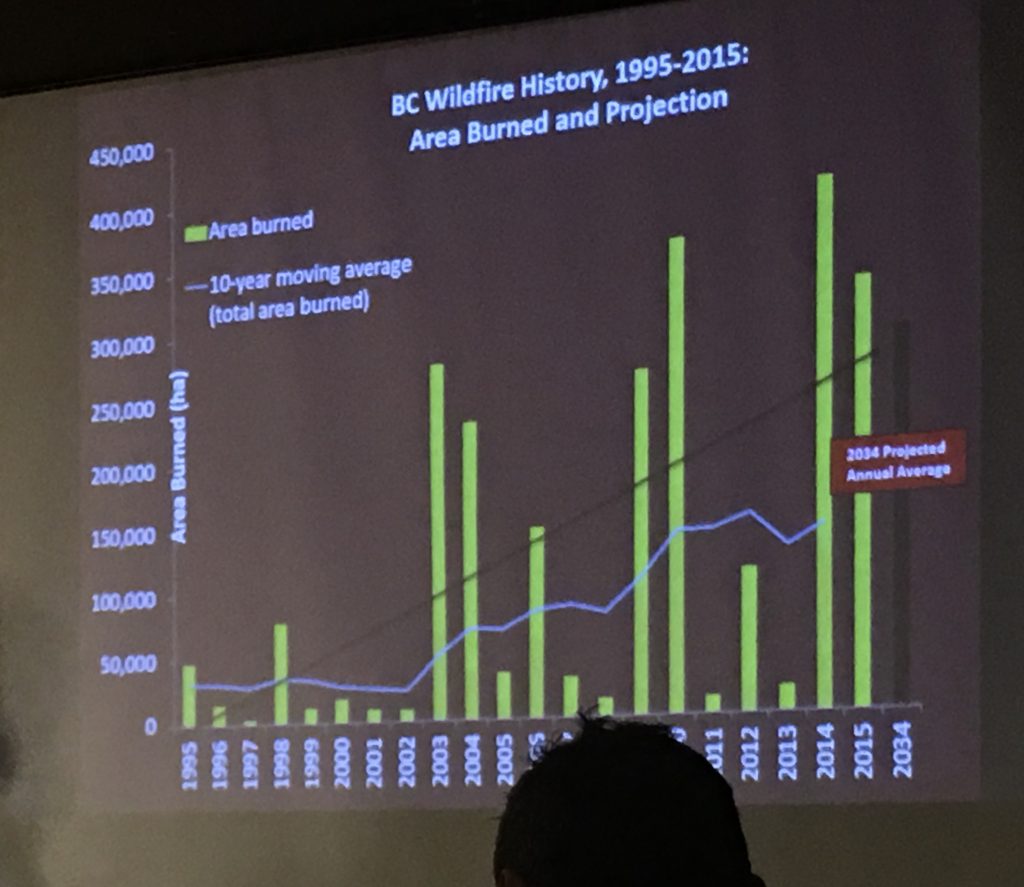
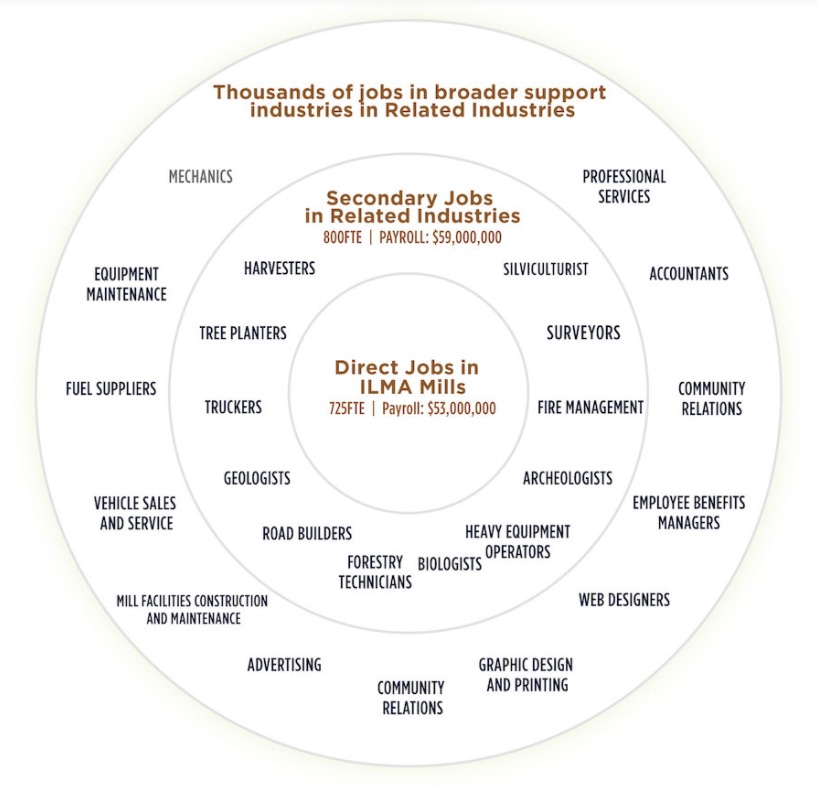
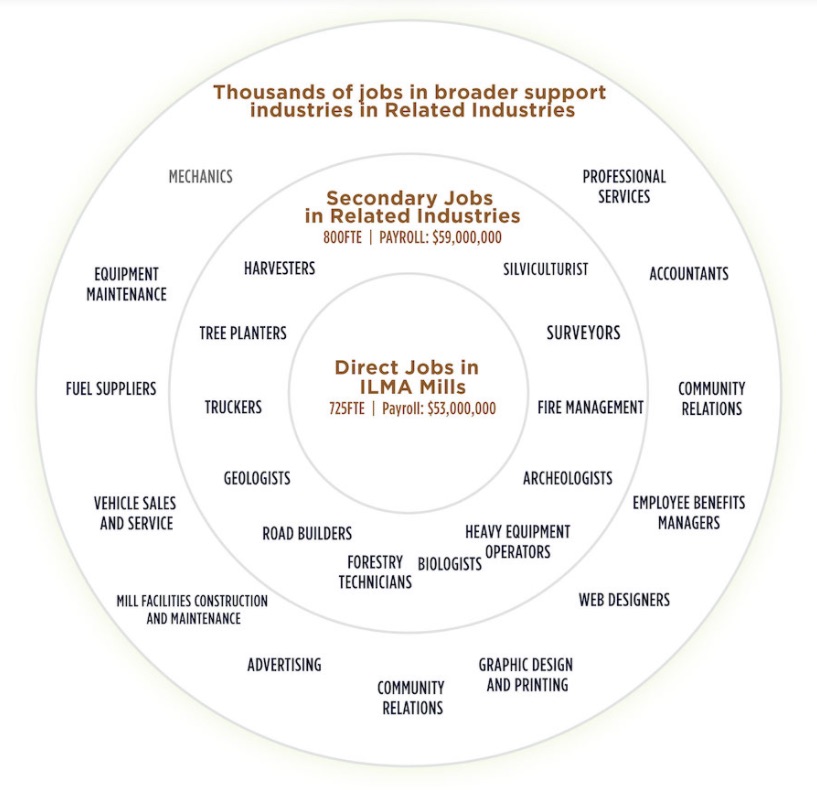
The trend is a worry for many reasons, one of them being the importance of a healthy forest sector for the economy. The following infographic (from the ILMA, Interior Lumber Manufacturers Association) shows the linkages:
There are plenty of good reasons to value and respect our natural places. When we lose trees, we lose natural habitat that can be a well-managed resource creating benefits throughout the B.C. economy long into the future. But unless serious long-term issues are faced down, today that future is at risk.
Images: Merritt Herald; Interior Lumber Manufacturers’ Association.