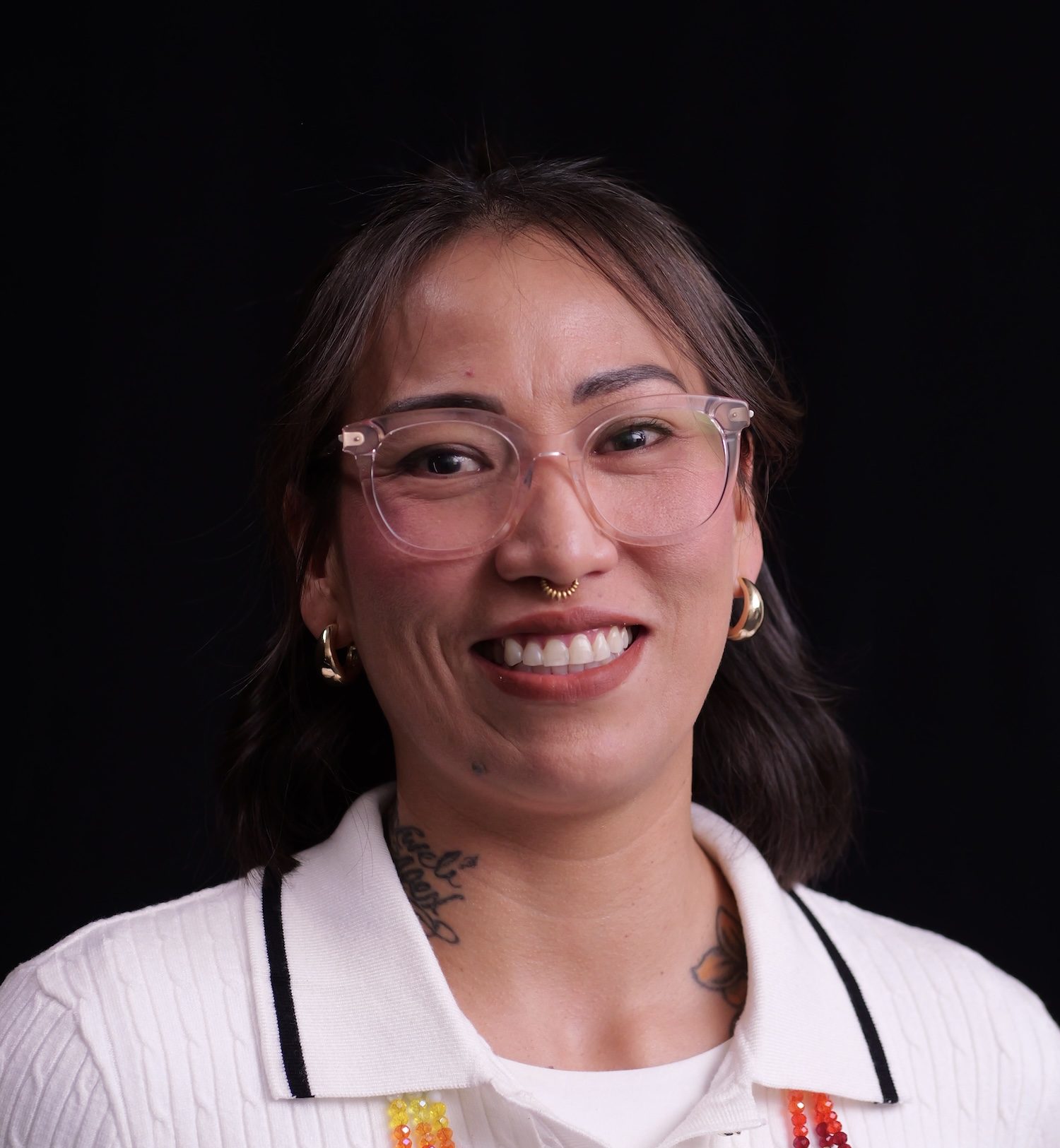

Barry Penner and Michelle Mungall used to sit on opposite sides of the B.C. legislature. But on Sept. 14, 2026, when they took the stage together at the Get It Done BC event in Vancouver, they found surprising common ground.
Penner served as a B.C. Liberal environment minister and attorney general. Mungall was the New Democrat energy minister when LNG Canada reached its final investment decision. The organizers let them moderate their own closing panel, which they admitted was a risk for two people trained in filibustering.
Yet what followed was a remarkably candid reality check on how rapidly B.C.’s energy priorities have flipped—and what that means for the province’s grid.
Shift in thinking: from transition to addition
Opening the discussion, Penner pointed out a telling shift in the room’s energy.
“I didn’t hear a lot of talk today about an energy transition. You think back a few years ago, that was a key catchphrase, wasn’t it?”
He argued that growth is now the safer bet. As living standards rise, people have always used more energy.
“We don’t hear so much about energy transition, we hear more about energy addition. We need more, and I think that’s a safe bet.”
Mungall said she’d been wrestling with the same idea. She still sees a transition under way, but the demand picture is reshaping it.
“It’s more about the addition than it is necessarily about a transition.”
She pointed to Asian buyers of Canadian LNG, who are looking to move off coal but also want to keep growing their economies. China leads the world in renewables adoption, in part because its energy demand keeps rising.
To illustrate, Penner highlighted a paradox south of the border: on the hottest day last summer, the U.S. generated more gas-fired electricity than ever before—even with record-breaking solar and wind capacity feeding the grid.
He didn’t dismiss renewables. Without them, he said, the U.S. would have needed even more gas it couldn’t have supplied on short notice.
For Penner, it underscores the need for policy humility. Early climate roadmaps set rigid timelines, betting on a predictable future that rarely materializes.
“Life doesn’t always turn out the way you think it’s going to.”
From surplus to shortage: a sudden role reversal
Much of the conversation focused on how quickly B.C.’s electricity situation has reversed.
Penner recalled that a B.C. Liberal government shut down the Burrard Thermal gas plant. This year, Energy Minister Adrian Dix announced the province is buying a natural gas power plant.
“Talk about a role reversal in a pretty short period of time.”
He noted that while an October 2021 provincial roadmap boasted an abundance of clean power, B.C. has spent the last three years as a net electricity importer—all before power-hungry AI data centres fully arrive.
Mungall joked that she’d be fixing a few sentences in some policy books.
Highlighting the crunch, BC Hydro revealed this summer that it is evaluating two new large hydroelectric dams—a striking development given that Site C’s final price tag remains unsettled.
Lead times are the real challenge. Site C took 15 years from the initial green light under Gordon Campbell to coming online last summer. According to BC Hydro’s own modelling, replacing natural gas home heating would require the equivalent of two more Site C dams.
Penner described a gap between political urgency and what can actually be built on the ground.
“The lead time required to catch up to those policies is multiple election cycles and long past anybody’s time in office.”
Mungall tied the demand surge to AI. Her doctor, dentist and optometrist all use AI note-taking. That means her health records sit in a data centre somewhere.
“I want those data centres to be on Canadian soil, and I want them to be powered up by Canadian electrons.”
She added that keeping costs down will mean using wind, solar, hydro and natural gas together.
Need for speed vs. public consultation
Both speakers acknowledged the tension between building projects quickly and making sure the public has input.
Penner pointed out an ironical turn in provincial history: an NDP government in the 1990s created B.C.’s landmark Environmental Assessment Act, yet today’s NDP government has exempted new power projects from that very process.
Mungall noted those projects now go through the BC Energy Regulator.
“There still is a government oversight process.”
Penner said he understood the decision. Even in the best case, assessments were taking two to three years, and B.C. doesn’t have that kind of time as a net importer.
Still, he cautioned what gets lost when reviews are bypassed. When run-of-river proposals on the Upper Pitt River drew 1,000 concerned citizens to a town hall during his tenure, Penner canceled the project the following day.
“There’s a value to that, but it also takes time.”
Mungall asked whether the public still wants that depth of input now that keeping the lights on is a shared priority. Penner said the answer will shift over time.
He referenced polling presented earlier in the day showing broad public backing for new hydro dams, but noted public sentiment can swing quickly depending on broader geopolitical factors like U.S. leadership.
Mungall was more confident the change would stick. She sees it in conversations with other parents at school pickup. People want energy sovereignty, she said, and that feeling will outlast any single U.S. administration.
Penner wasn’t so sure. He’s seen public opinion come and go before.
The limits of storage and the need for firm power
Drawing on her background in battery storage, Mungall advocated for expanding energy storage across the province, arguing B.C. has barely scratched the surface of its potential.
“I would like to see BC Hydro look at this more closely, and start adopting and start doing it faster as part of the energy mix.”
She stressed that batteries and natural gas both have a role in backing up renewables.
Penner offered perspective on how rapidly storage technology has evolved. During his tenure as environment minister, a single-megawatt battery installation in Hawaii made headlines. Today, utility-scale batteries regularly deliver up to 100 megawatts over four hours.
Stacked systems can stretch that to eight or 12 hours, Mungall added.
However, Penner detailed why storage alone cannot solve B.C.’s reliability challenges. BC Hydro’s Integrated Resource Plan warns of potential capacity deficits around 2030 if a severe cold snap persists for two weeks—a gap far beyond current battery endurance, necessitating gas generation.
Mungall agreed. Batteries could handle the evening peak from about 4 p.m. to 9 p.m. For a two-week cold spell, keeping a gas peaker plant in the mix makes sense.
“I think it was the right move. It was the right call.”
Penner called it a sensible, flexible response. CleanBC had planned to phase out that firm capacity on Vancouver Island.
Ian Biana writes for the Resource Works Accelerate team and can be reached at [email protected].
Resource Works News