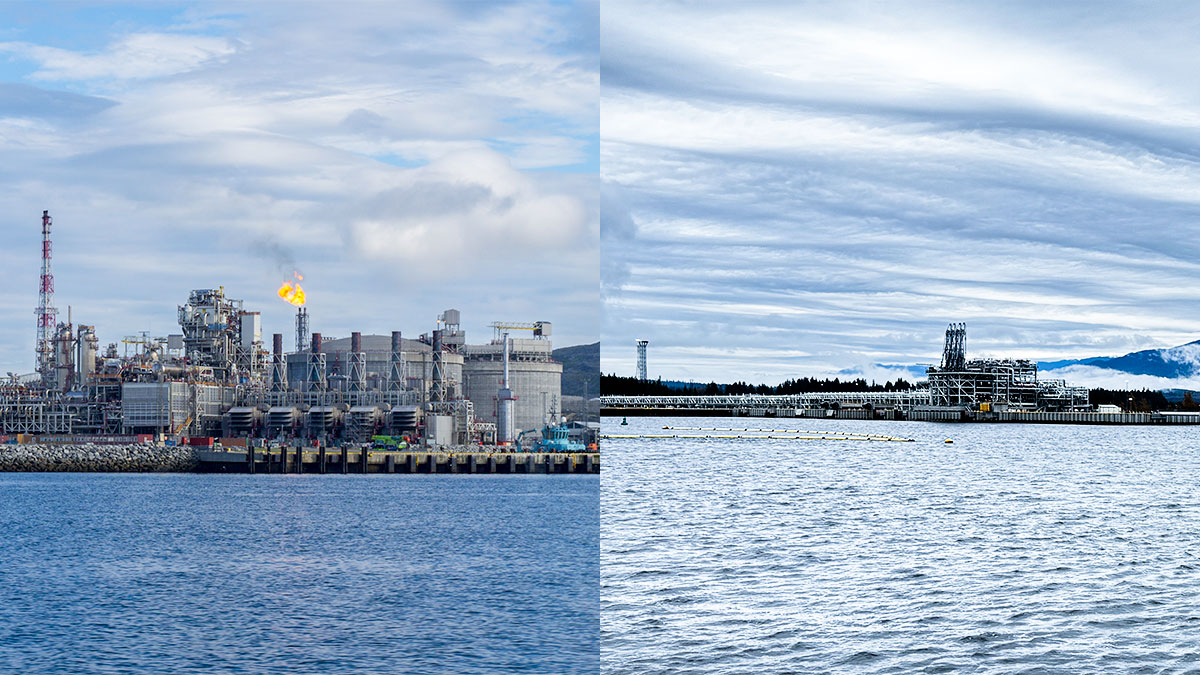
There are people who want to invest in British Columbia, both here in Canada and from abroad. They want to buy critical minerals, lumber, and liquefied natural gas (LNG), and all of that can be used to fund a greener future.
Some people seem to think that exporting energy and innovating in infrastructure are contradictory, yet the national models they so often cite manage both with aplomb.
Norway is a world-class exporter of ethically produced and processed oil and gas, all while funnelling the proceeds into the Government Pension Fund Global. That wealth can be drawn upon for whatever purpose the government wishes, one of which is electrification.
Today, Norway is a leader in making its energy grid and daily life greener and cleaner by the day. Achieving environmental ambitions requires vast sums of money, and the value of conventional energy on world markets can easily generate that necessary wealth.
Last year, nearly 96 per cent of Norway’s new passenger cars were electric, even though more than two-thirds of all cars on its roads and highways still use conventional fuel. Electrification has its limits, and even a leader like Norway cannot replace its national vehicle fleet overnight.
In fact, Norway has explicitly rejected punitive mandates that all but compel its residents to buy EVs with blanket bans on combustion engine sales, in favour of “long-term and consistent policies designed to support the uptake of EVs”. In B.C., prior to the end of the previous EV mandate, car dealerships in the province were to be prohibited from selling new combustion vehicles by 2035.
The point has been made many times: you cannot transform your economy and society overnight, nor can you drag ordinary people along with you. Canadians saw that with their fierce opposition to the carbon tax and EV rebates, both of which have now been abolished in B.C. in response to public opposition.
Funding public infrastructure with real revenue, not debt
During the last provincial election, Green Party leader Emily Lowan asserted that further LNG expansion was some sort of gamble. The Greens proposed a halt to all Canadian oil and gas development, at a time when there is tremendous appetite for both.
The province is, in a sense, broke. There is a $14-billion budget deficit, and revenues have to be raised. What better way to do that than by selling what the world wants? The two largest political parties in B.C., the NDP and Conservatives, have formed a consensus of sorts on expanding B.C.’s oil and gas infrastructure, though they obviously disagree on both minor and major details.
How are we to build transit systems and railways, or electrify ferries, with real revenues rather than debt we cannot afford?
Beyond the pump: Conventional energy as modern materials
Furthermore, there is an ingrained misconception about oil and gas: that they are extracted from the ground, processed in ominous refineries and then dispensed at gas pumps. Fuel tanks are just one destination for a barrel of oil or a cubic metre of gas.
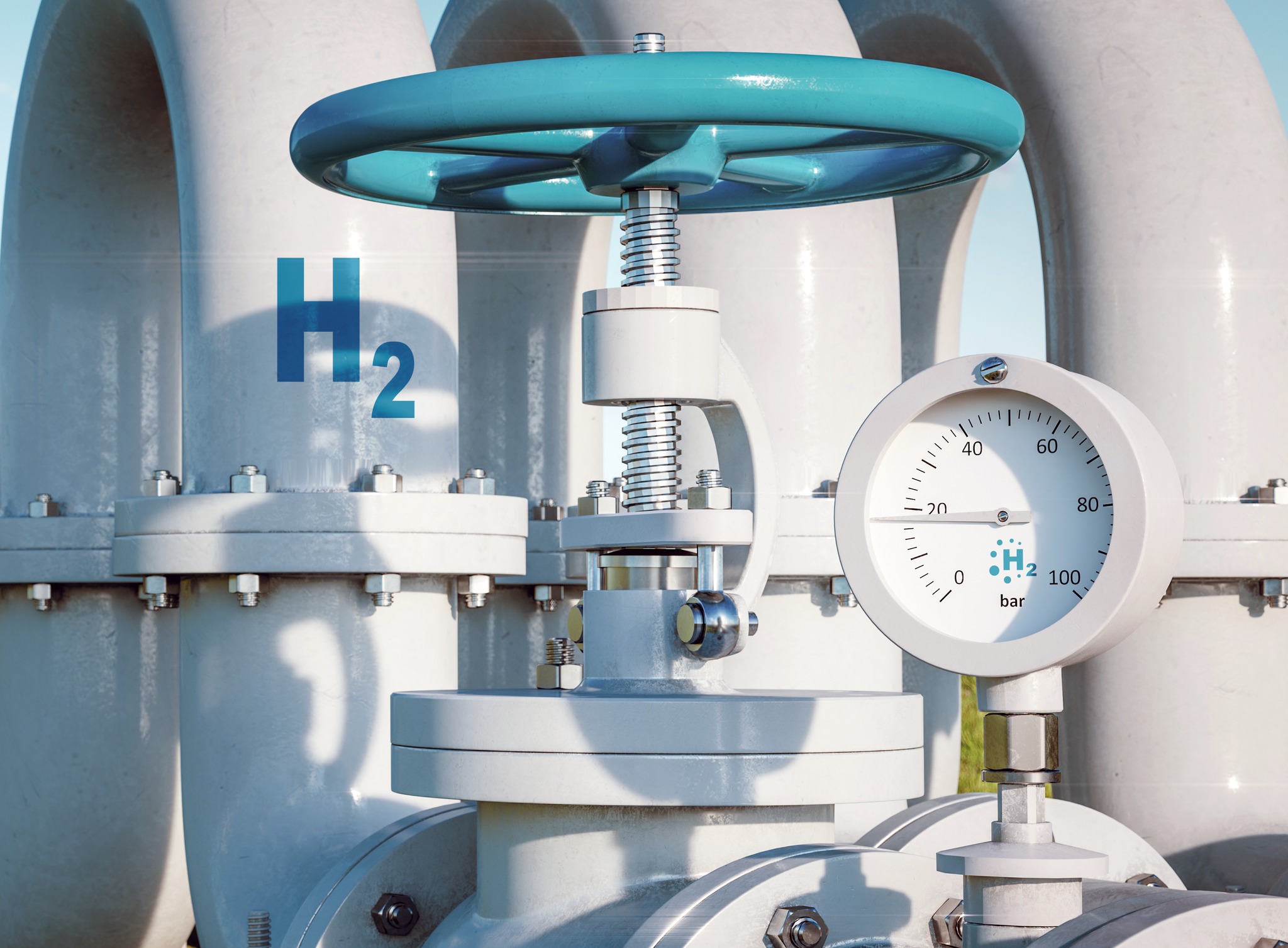
Oil and gas are needed for medical plastics and insulation, fertilizer and electric car parts, wind turbines and pharmaceuticals. The list goes on and on. Replacing a combustion engine with an electric motor and battery still leaves a huge list of customers for these resources.
Meeting the world as it actually exists
Moreover, the export of oil and gas is a proven boon to the economy, a creator of jobs and a magnet for investors and innovators.
Hardline environmentalists often come from academic and overeducated backgrounds, and are fond of portraying the resource industry as the stuff of backwaters and unsavoury roughnecks. In fact, the sector employs some of the most highly educated people in the country.
Contrary to propaganda, people who advocate for oil and gas have no desire to see the world burn in the name of profit. Rather, they recognize that we must live in the world as it is, and that oil and gas are valuable parts of it. If these industries must exist, we should host them here with pride, both for what they bring to Canada and for how they challenge us to innovate and improve our own energy grids and infrastructure.
A green country or province does not need to shun its most valuable resources. The smarter approach is to recognize the vital relationship between resource development and environmental progress.
Geoff Russ is the editor-at-large of Without Diminishment. He is also a contributor to the National Post, Modern Age, and the Spectator Australia. He can be reached on X.com at @GeoffRuss3.
Resource Works News