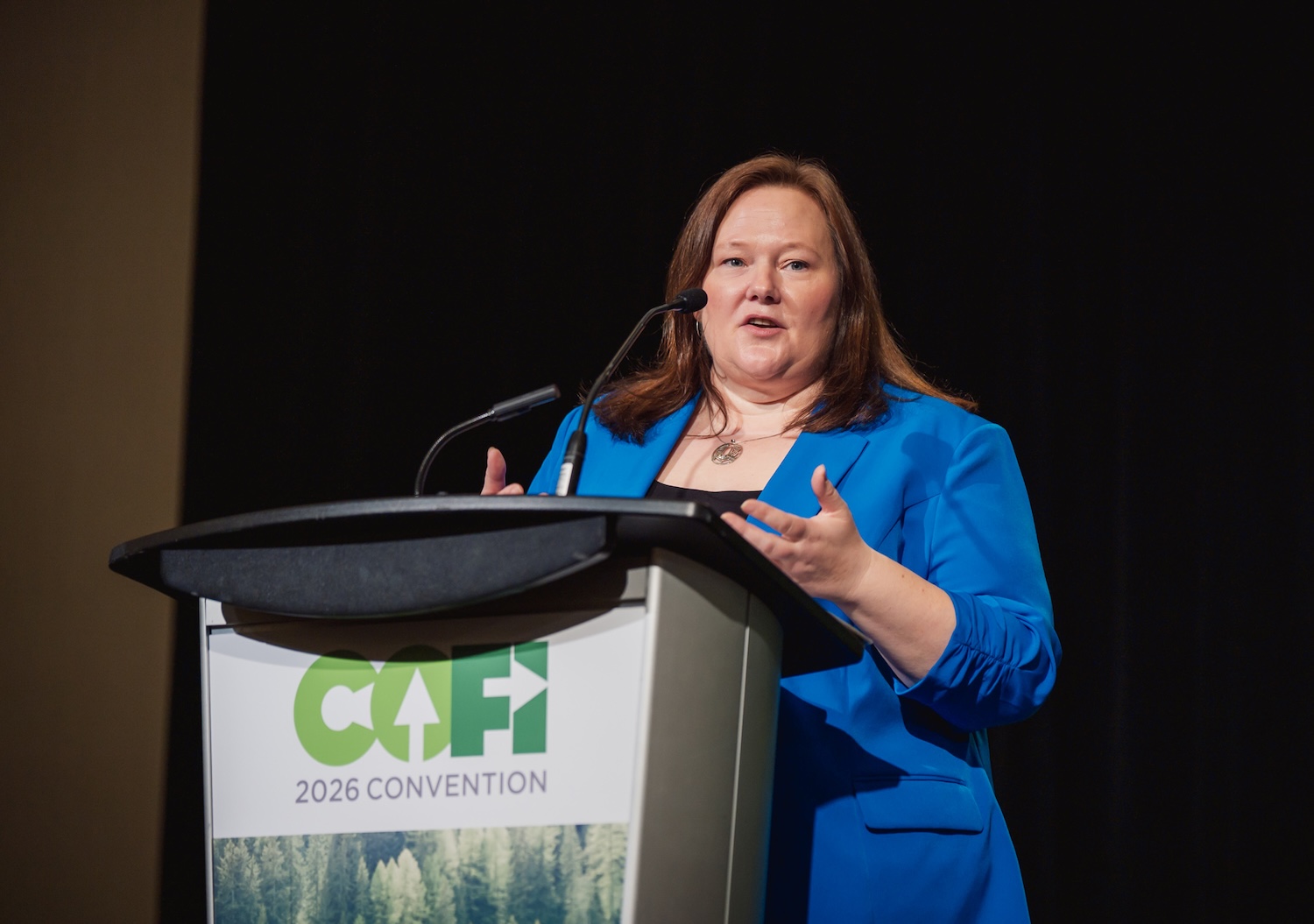
Kim Haakstad is stepping into a familiar debate with renewed urgency. As president and CEO of the Council of Forest Industries (COFI), she is helping lead a province-wide campaign to rebuild public support for forestry.
A sector under pressure
COFI represents British Columbia’s forest industry, advocating for policy, sustainability and economic growth across the sector.
Haakstad says their new campaign is about reframing forestry’s role in a changing province. “Forestry is a solution for many of the challenges that British Columbia faces.”
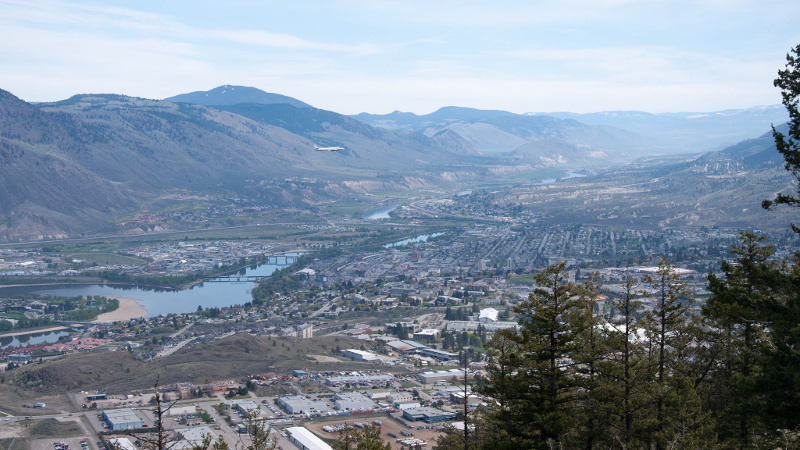
That message comes at a critical time. Mill closures and production cuts have shaken rural communities. The pressure is no longer abstract. It is local, visible and growing.
“Local communities are on the front lines of the crisis we’re facing in forestry right now,” Haakstad says, warning that without changes, more closures will follow.
The campaign brings together industry groups and advocacy organizations. Its goal is simple: remind British Columbians what is at stake.
Beyond the rural narrative
Forestry is often framed as a rural issue, but Haakstad wants to dismantle that assumption.
“Twenty-five per cent of forest industry jobs are in the Lower Mainland,” she says. That figure challenges the idea that forestry belongs only to remote towns.
Urban residents may not see logging trucks daily, but they remain tied to the sector. Jobs, supply chains and exports connect cities to forests more than most people realize.
The campaign leans into that broader connection. It calls on residents across the province to engage, whether by signing petitions or contacting elected officials.
Support, Haakstad argues, already exists. It just needs to be made visible.
Everyday dependence on forests
To make the issue tangible, Haakstad brings it back to daily life. Forestry is not just about trees; it is about products people use constantly.
“When I think about forestry, I think about the forest products we use in our daily lives,” she says. That includes obvious items like lumber and less obvious ones like packaging and household goods.
Even the most mundane examples matter. They reinforce how deeply embedded the industry is in modern living. Remember the toilet paper shortages in March 2020?
Housing and global leadership
Housing adds another layer. B.C. is a global leader in wood construction, exporting both materials and expertise.
That leadership positions forestry as part of the solution to housing shortages and climate goals, not just an economic driver.
Competing on a global stage
For Haakstad, long-term success depends on competitiveness. The province cannot rely on traditional markets alone.
“We want to make sure that B.C. has a globally competitive forest sector so that we can get to markets beyond the United States,” she says.
That shift requires policy support, investment and public backing. It also demands a clearer narrative about forestry’s role in a modern economy.
The campaign is, at its core, about alignment. Industry, government and the public must move in the same direction.
Without that, Haakstad suggests, the sector risks further decline. With it, forestry could regain its place as a cornerstone of B.C.’s economy.
Ian Biana writes for the Resource Works Accelerate team and can be reached at [email protected].
Resource Works News