Watching the exploration side of the oil-and-gas industry slowdown has resulted in repeated news of layoffs across Alberta and now across northeast BC.
This is a bit of a backhanded way of illustrating that jobs are created when resource development conditions are right.

As upsetting as it is for resource families forced to wait out the downturn, the layoff numbers are illustrative of the staggering contrast of anti-development activists messages that claim there are few to no jobs created with resource development proposals. We see this a lot in BC.
Anti-development activists argue there are no benefits or there are no jobs associated with pipes and LNG. Maybe they should go have a word with the hundreds or possibly thousands in the resource exploration and resource service sector that, due to economic downturn, have provided a stark reminder that when commodities are up, exploration and development employs many.
The part of the oil and gas sector that is still employing thousands in Canada is the production and processing side of the business. This is the value add part of the chain. BC LNG is a value add prospect. These processing jobs are more secure than exploration because they are based on long term customer delivery commitments.
The next time someone says there are no jobs created tell them to go ask one of the thousands of laid-off resource, and resource service workers waiting to get back to their jobs.
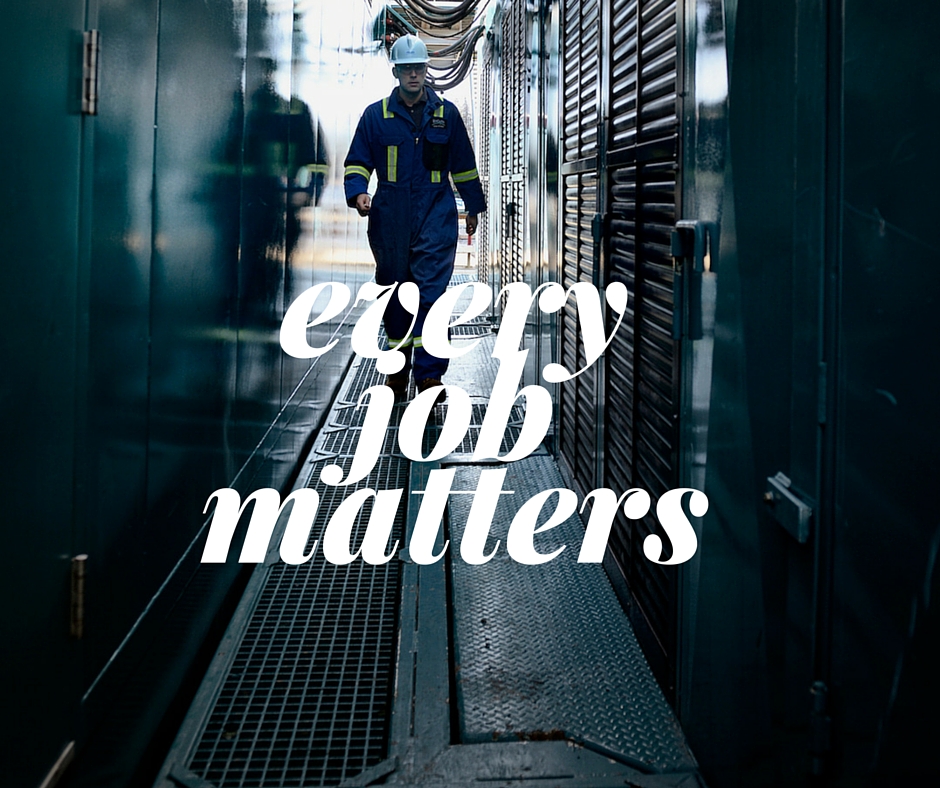
One, two, or hundreds; every job matters.
Let’s get them back to work. They’re good people. They are the providers and the protectors.