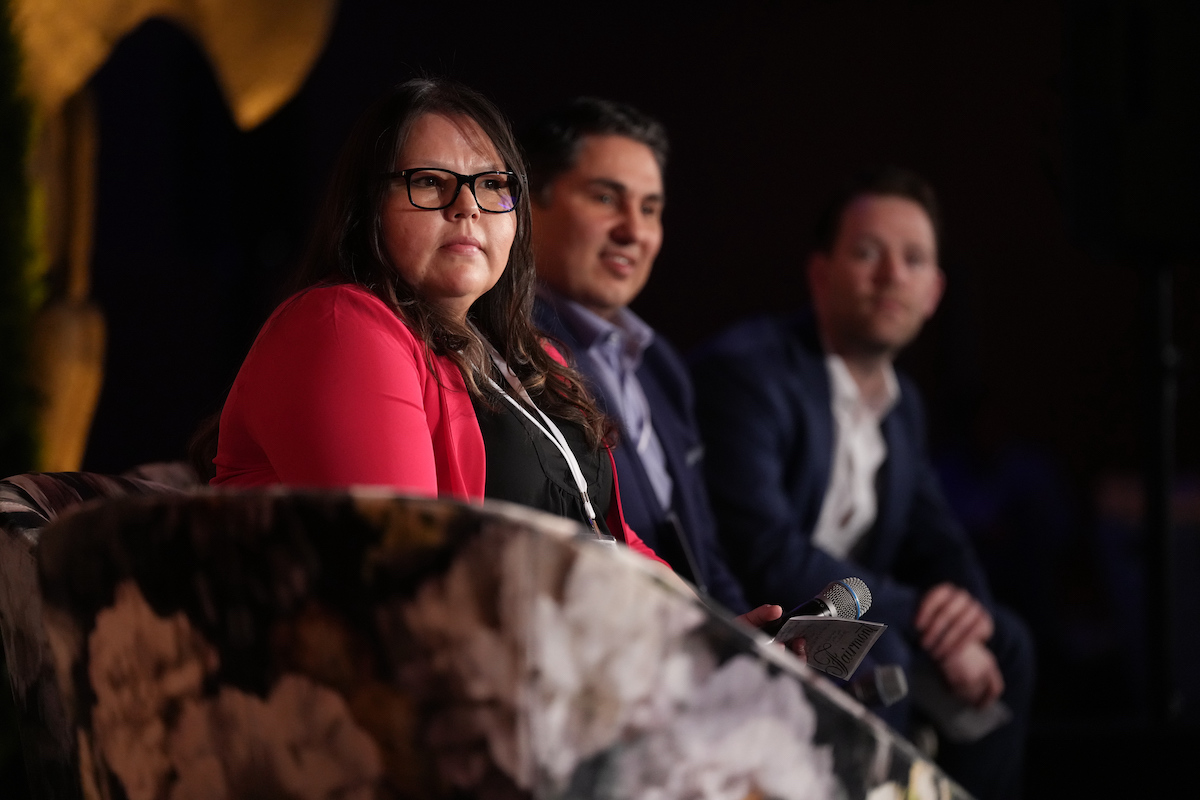

Robert Michell is thinking in decades, not quarters. As elected Chief of the Stellat’en First Nation, he brings a rare mix of legal training and deep forestry experience to the role. The community sits between Vanderhoof and Burns Lake, near the geographic centre of British Columbia, in a region shaped by timber and now by transition.
Michell is not new to the sector. After graduating from law school, he chose the North over Vancouver. “I’m a northern boy and I like the north,” he says. That decision led him into decades of work in the forest industry. It also shaped how he now approaches economic development for his community.
The closures of major forestry operations have not hit Stellat’en as hard as some nearby towns. That is by design. The Nation has already begun to diversify, moving into areas like energy development.
“We’ve pivoted to other types of industry and energy, like for windmills, for example,” Michell says. The shift reflects both pragmatism and foresight.
Forestry’s downturn and a regional reality
Across northern B.C., the mood is more uncertain. Mill closures and production cuts have sent workers moving from town to town, chasing stability that remains elusive.
“I think with the amount of downturn in the forest industry and the amount of closures announced, some of the professionals are getting bounced around,” Michell says. “They go to a certain town and that closes, they go to the next town and that closes.”
He adds that the current situation did not arrive overnight. “This is something that’s been coming for a while,” he says. The difference now is that communities can no longer ignore it.
For Stellat’en, that recognition has driven a shift in priorities. Forestry remains part of the picture, but no longer the only one.
Planning for a 20-year horizon
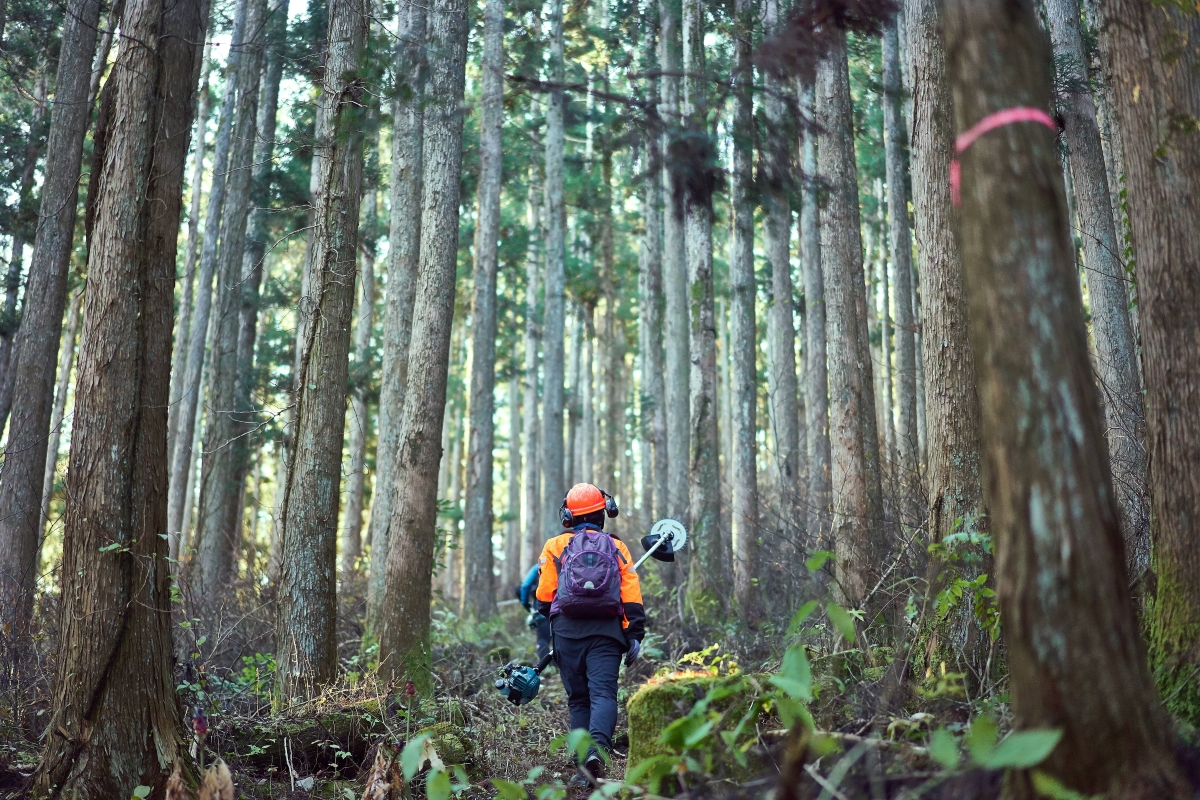
Michell’s outlook on forestry is grounded in biology as much as economics. He points to the growth cycle of the forest itself.
“We’ve accepted that our industry, the forest industry, is probably about 20 years out to become fully functional as what it used to be,” he says.
That timeline reflects the maturation of younger stands. Many logged areas are still regenerating. It will take time before they become commercially viable again.
In the meantime, the focus is on preparing people. Education and training are top priorities, especially for emerging sectors like wind energy. These industries demand new skills, and Michell wants his community ready.
The approach is both patient and practical. Rather than wait for forestry to rebound, Stellat’en is building capacity now for what comes next.
Partnerships and participation
Economic development, for Michell, is not about going it alone. Stellat’en is working with neighbouring Nations through ventures like Yulh Ventures. The goal is to share opportunities across a broader territory.
“We’re teaming up with other First Nations,” he says, describing partnerships that span Prince George and surrounding areas. The idea is simple: success should be collective.
That same principle extends to industry relationships. Michell draws a clear line on what works and what does not. Companies that engage openly and support Indigenous participation stand out.
His advice is direct. “Transparency, integrity, and the ability to understand where the First Nations are coming from.”
He also pushes back on outdated assumptions. “We’re not the enemy,” he says. “We want to be a participant and we want to be a partner.”
Looking ahead, Michell sees a shift already underway. Indigenous communities are moving from the margins to the centre of economic activity.
“I think you’re going to see a lot of Indigenous groups kind of lifting themselves to the point where they’re a big economic driver in the industry,” he says.
For Stellat’en, that future is not abstract. It is already being built.
Ian Biana writes for the Resource Works Accelerate team and can be reached at [email protected].
Resource Works News